Romanticism
 1800 - 1860.
 Romanticism emerged as a reaction against
Neoclassicism. It did not really replace the Neoclassical style, and
many artists were influenced by both styles. It stressed strong
emotion, legitimized the individual imagination as a critical
authority, and overturned some previous social conventions. Although
Romanticism and Neoclassicism were philosophically opposed, they were
the dominant European styles for generations, and many artists were
affected to a lesser or greater degree by both. Artists associated
with Romanticism are Ivan Aivazovsky, William Bouguereau, Caspar David Friedrich, John Constable,
Eugene Delacroix, and Francisco de Goya.
Romanticism emerged as a reaction against
Neoclassicism. It did not really replace the Neoclassical style, and
many artists were influenced by both styles. It stressed strong
emotion, legitimized the individual imagination as a critical
authority, and overturned some previous social conventions. Although
Romanticism and Neoclassicism were philosophically opposed, they were
the dominant European styles for generations, and many artists were
affected to a lesser or greater degree by both. Artists associated
with Romanticism are Ivan Aivazovsky, William Bouguereau, Caspar David Friedrich, John Constable,
Eugene Delacroix, and Francisco de Goya.
Artists and Articles
Francisco de Goya
 Francisco de Goya is an innovative Spanish Romanticism painter, one of the great Spanish masters. As an
artist, Goya was by temperament far removed from the classicals. In a
few works he approached Classical style, but in the greater part of
his work the Romantic triumphed. Straightforward candor and honesty
are present in all Goya's works. The subversive and subjective element
in his art, as well as his bold handling of paint, provided a model
for the work of later generations of artists. For the bold technique
of his paintings, the haunting satire of his etchings, and his belief
that the artist's vision is more important than tradition, Goya is
often called "the grandfather of modern art". Francisco de Goya became
one of the most influential figures in Spanish art of all time. He was
also extremely important in the development of modern aesthetic
sensibility, a forerunner of Romanticism, both in the content of his
paintings, with their in-depth exploration of reality and references
to the dream world, and in his very original technique.
Francisco de Goya is an innovative Spanish Romanticism painter, one of the great Spanish masters. As an
artist, Goya was by temperament far removed from the classicals. In a
few works he approached Classical style, but in the greater part of
his work the Romantic triumphed. Straightforward candor and honesty
are present in all Goya's works. The subversive and subjective element
in his art, as well as his bold handling of paint, provided a model
for the work of later generations of artists. For the bold technique
of his paintings, the haunting satire of his etchings, and his belief
that the artist's vision is more important than tradition, Goya is
often called "the grandfather of modern art". Francisco de Goya became
one of the most influential figures in Spanish art of all time. He was
also extremely important in the development of modern aesthetic
sensibility, a forerunner of Romanticism, both in the content of his
paintings, with their in-depth exploration of reality and references
to the dream world, and in his very original technique.
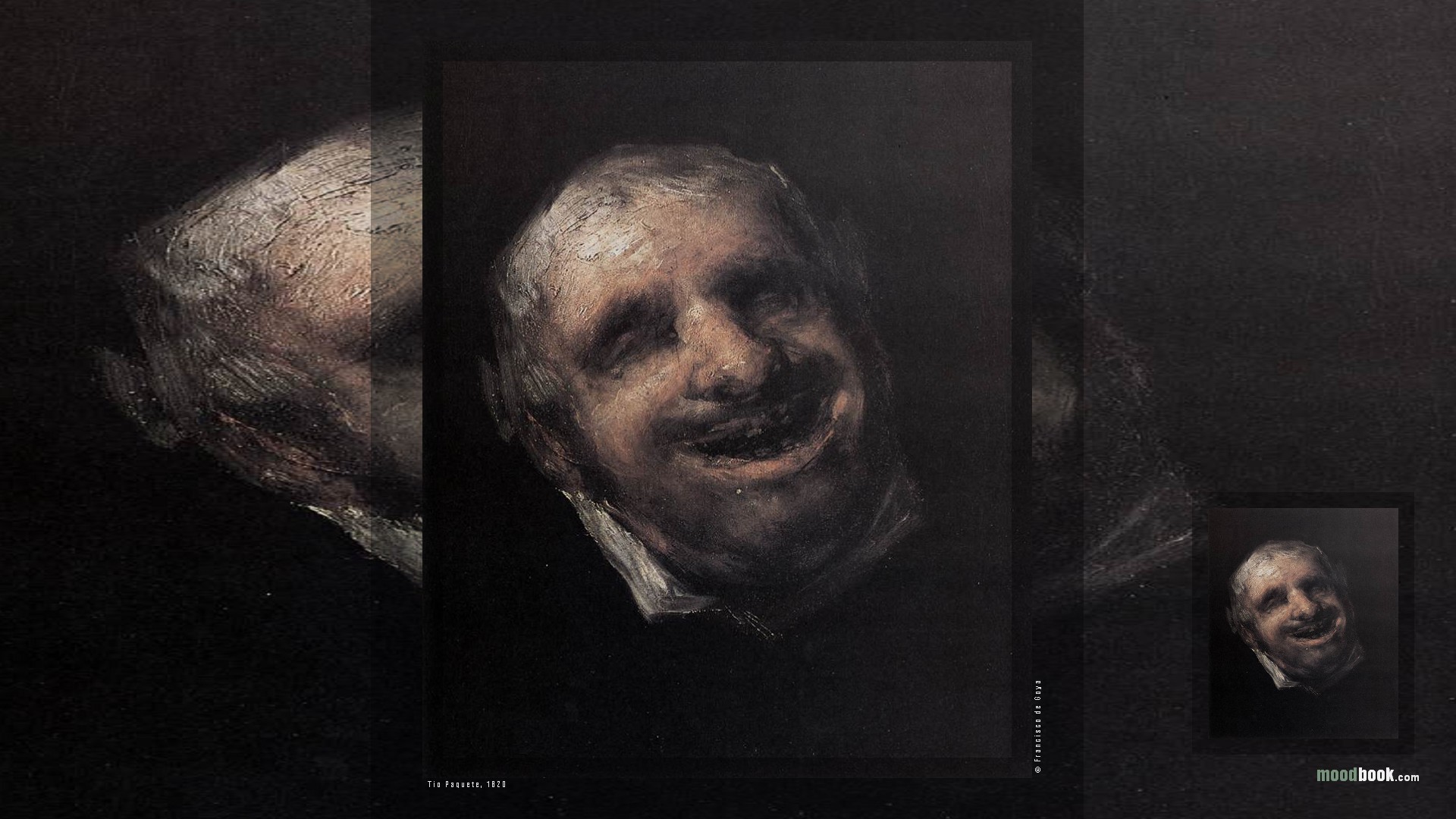 Tio Paquete (1820)
© Francisco de Goya
Tio Paquete (1820)
© Francisco de Goya
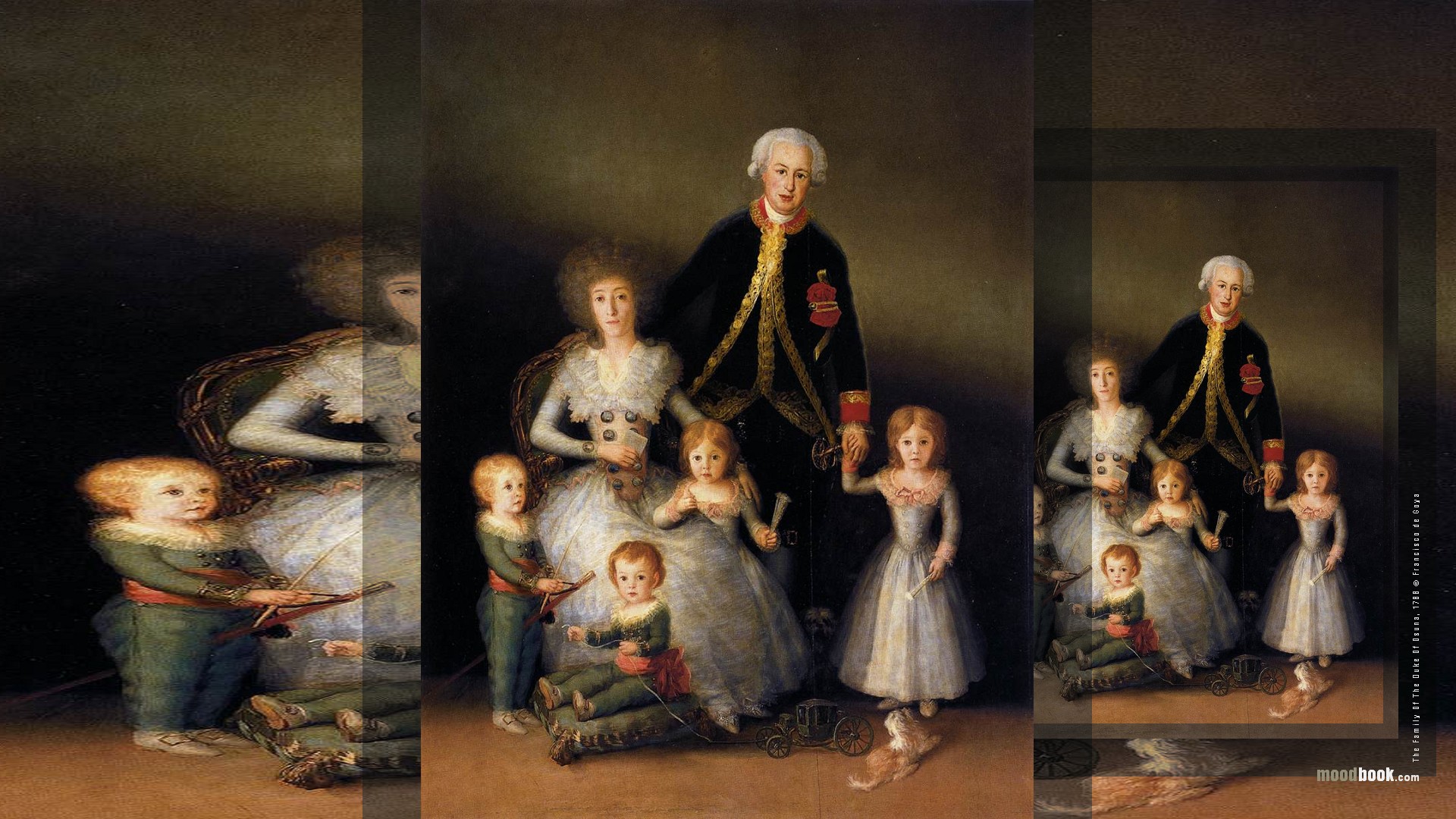 The Family Of The Duke Of Osuna (1788)
© Francisco de Goya
The Family Of The Duke Of Osuna (1788)
© Francisco de Goya
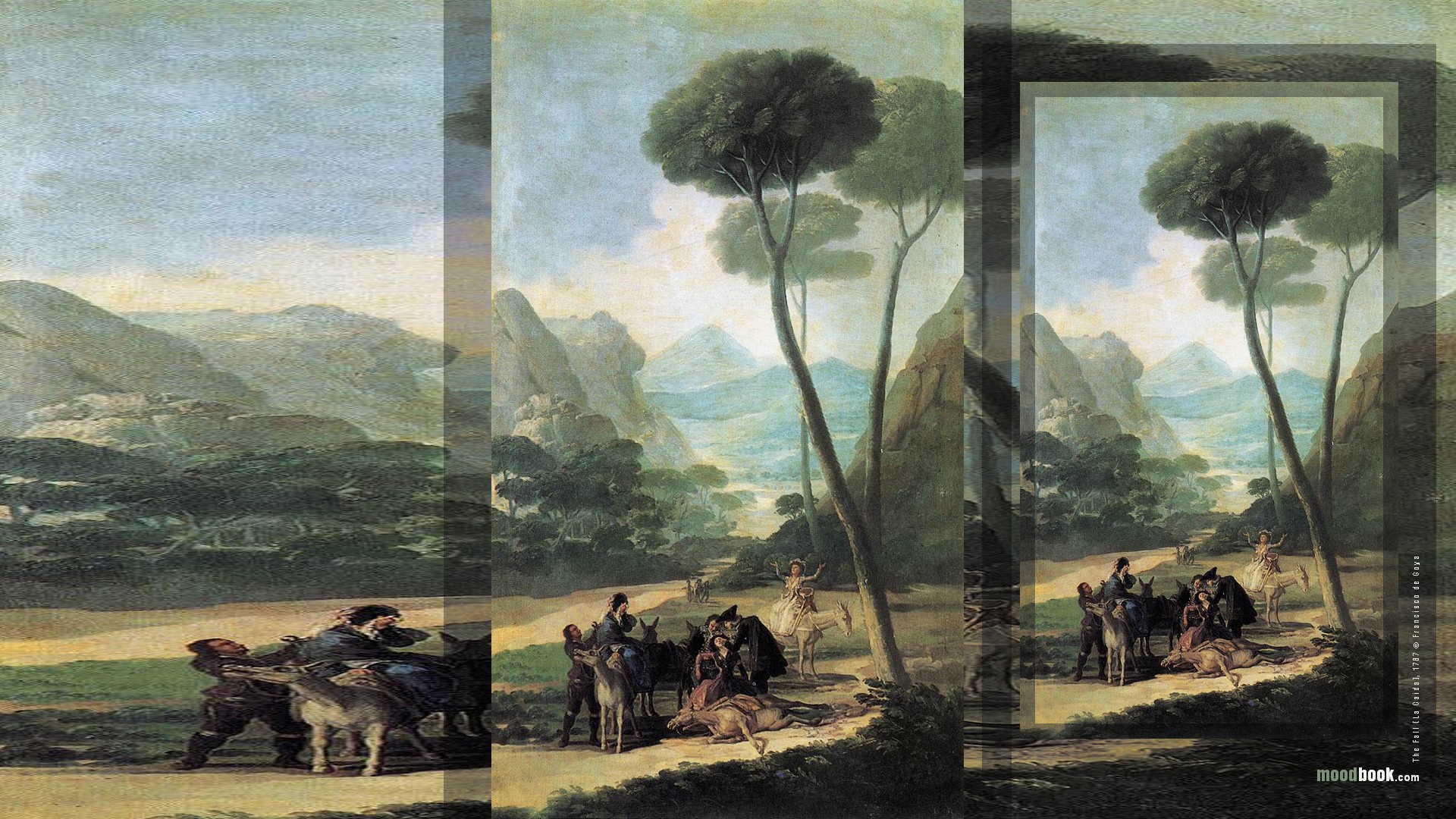 The Fall (La Caida) (1787)
© Francisco de Goya
The Fall (La Caida) (1787)
© Francisco de Goya
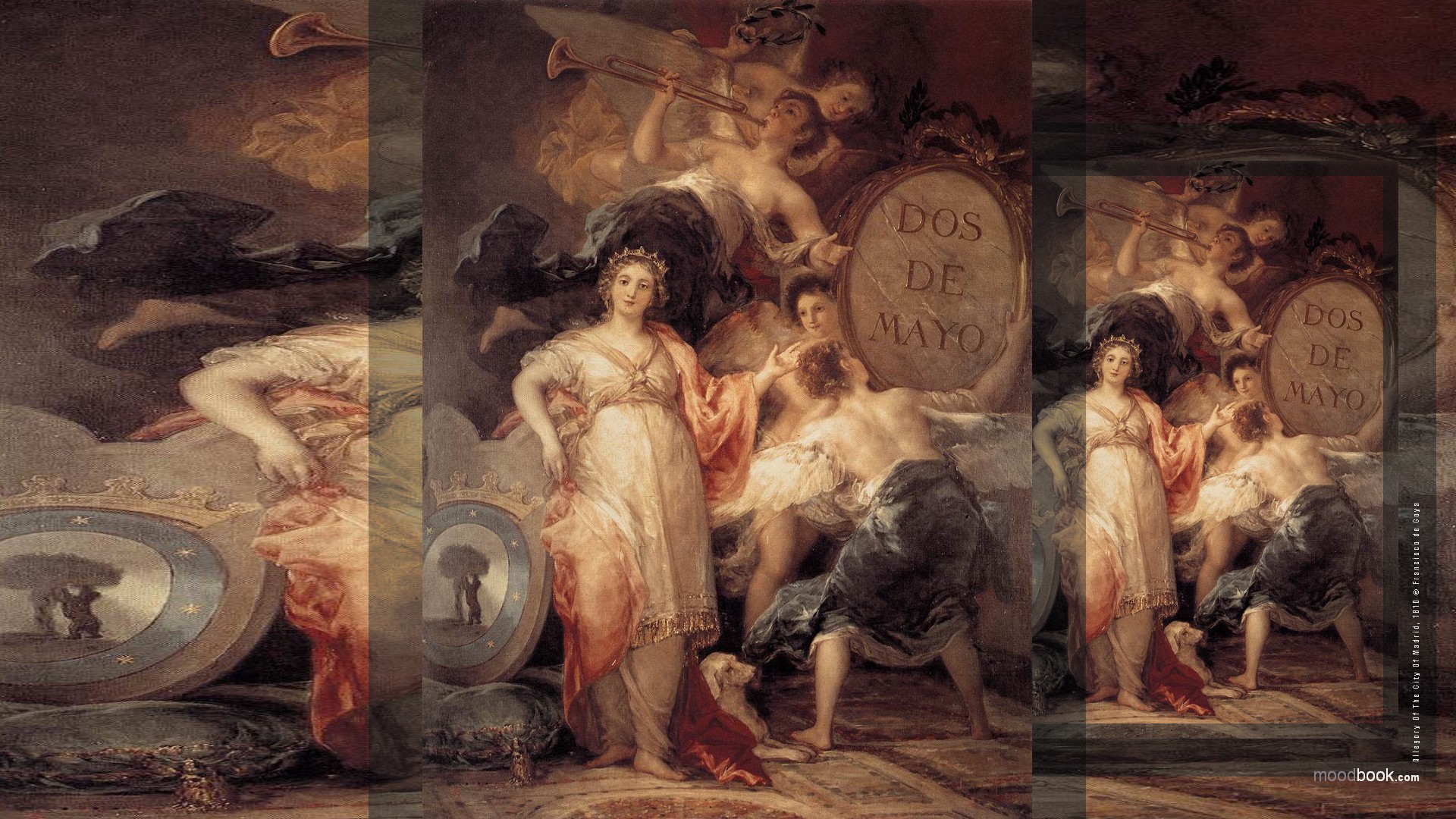 Allegory Of The City Of Madrid (1810)
© Francisco de Goya
Allegory Of The City Of Madrid (1810)
© Francisco de Goya
- Francisco de Goya Art, $25 (115 pictures)
- Francisco de Goya. Life and biography.
- Francisco de Goya. Art of Goya.
- Francisco de Goya. Early paintings by Goya.
- Francisco de Goya. Intermediate paintings by Goya.
- Francisco de Goya. Late paintings by Goya.
Ivan Aivazovsky
 Ivan Aivazovsky, a Russian Armenian painter, most
famous for his seascapes, which constitute more than half of
his paintings. Aivazovskiy had a vivid and emotional understanding of
reality. He always remained a romantic at heart even through his art
could never separate itself from his academic background. The artist's
expressive language was in complete harmony with the techniques that
he used. As a young boy Aivazovskiy had known the sea, had loved it
passionately and had known the secrets of its movements. It was this
memory, together with his imagination, that was responsible for his
best works. Rather than merely "reproduce" the sea, Aivazovskiy tells
us its fables and thus makes a symbolic statement.
Ivan Aivazovsky, a Russian Armenian painter, most
famous for his seascapes, which constitute more than half of
his paintings. Aivazovskiy had a vivid and emotional understanding of
reality. He always remained a romantic at heart even through his art
could never separate itself from his academic background. The artist's
expressive language was in complete harmony with the techniques that
he used. As a young boy Aivazovskiy had known the sea, had loved it
passionately and had known the secrets of its movements. It was this
memory, together with his imagination, that was responsible for his
best works. Rather than merely "reproduce" the sea, Aivazovskiy tells
us its fables and thus makes a symbolic statement.
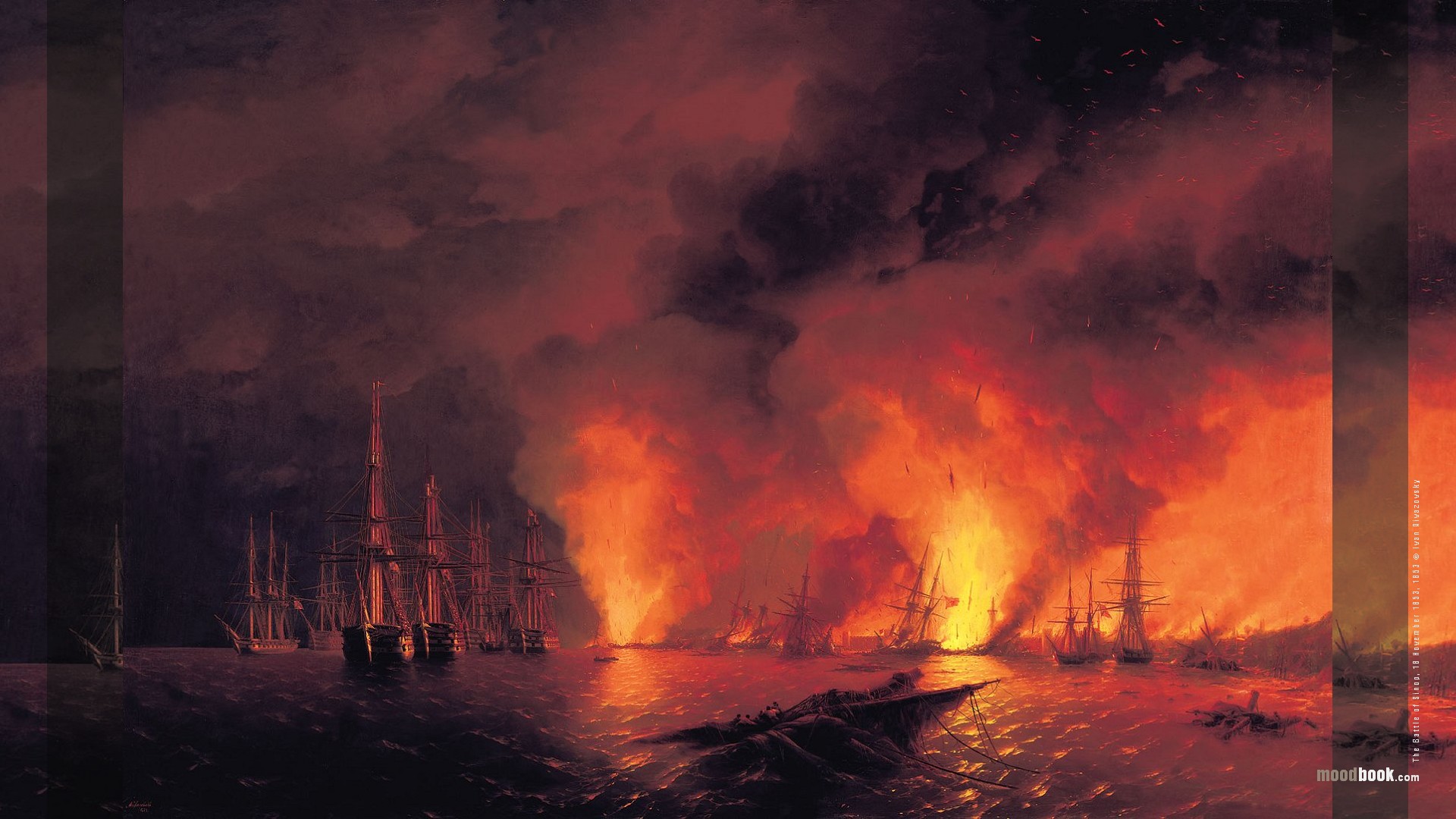 The Battle of Sinop, 18 November 1853 (1853)
© Ivan Aivazovsky
The Battle of Sinop, 18 November 1853 (1853)
© Ivan Aivazovsky
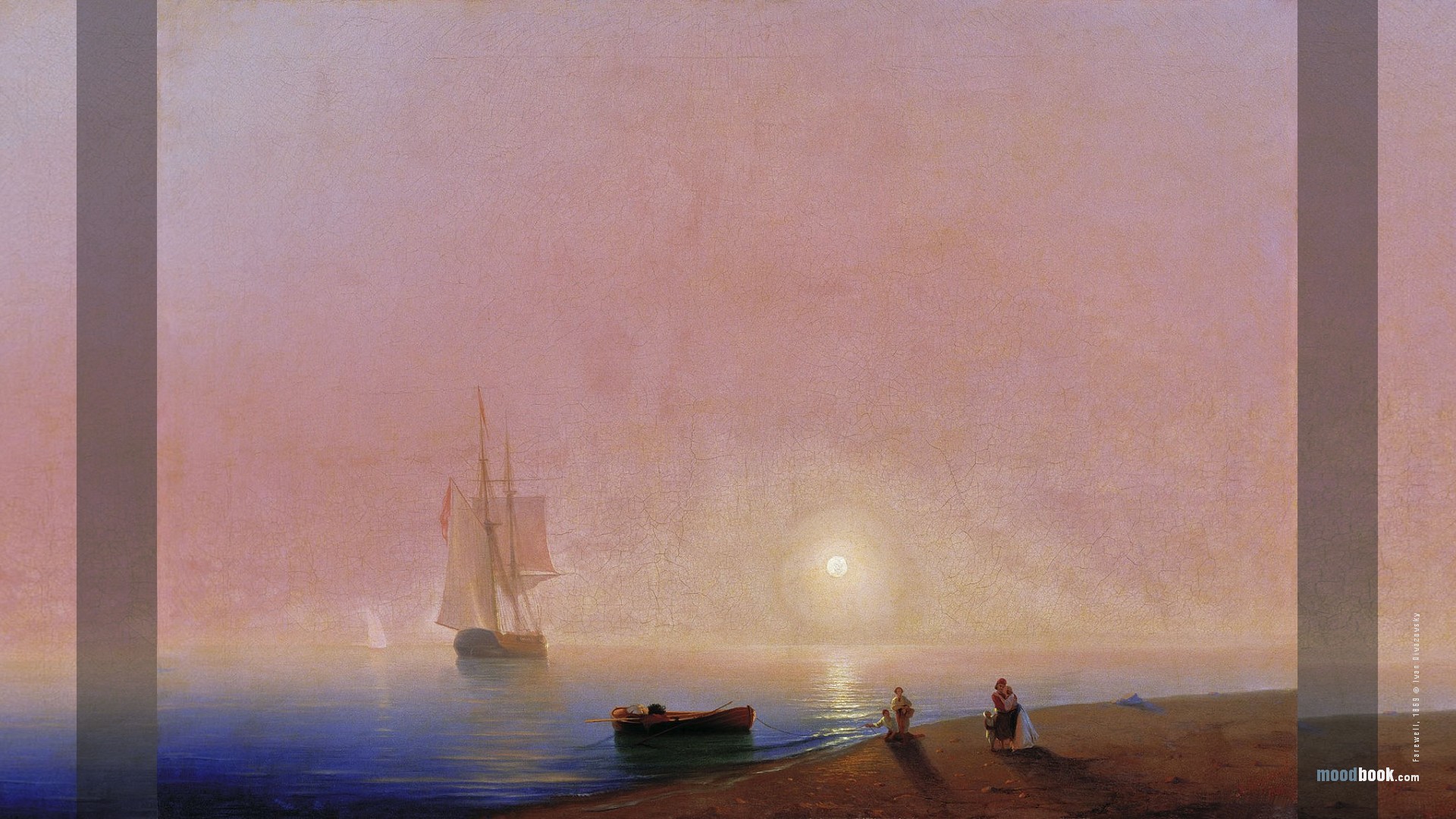 Farewell (1869)
© Ivan Aivazovsky
Farewell (1869)
© Ivan Aivazovsky
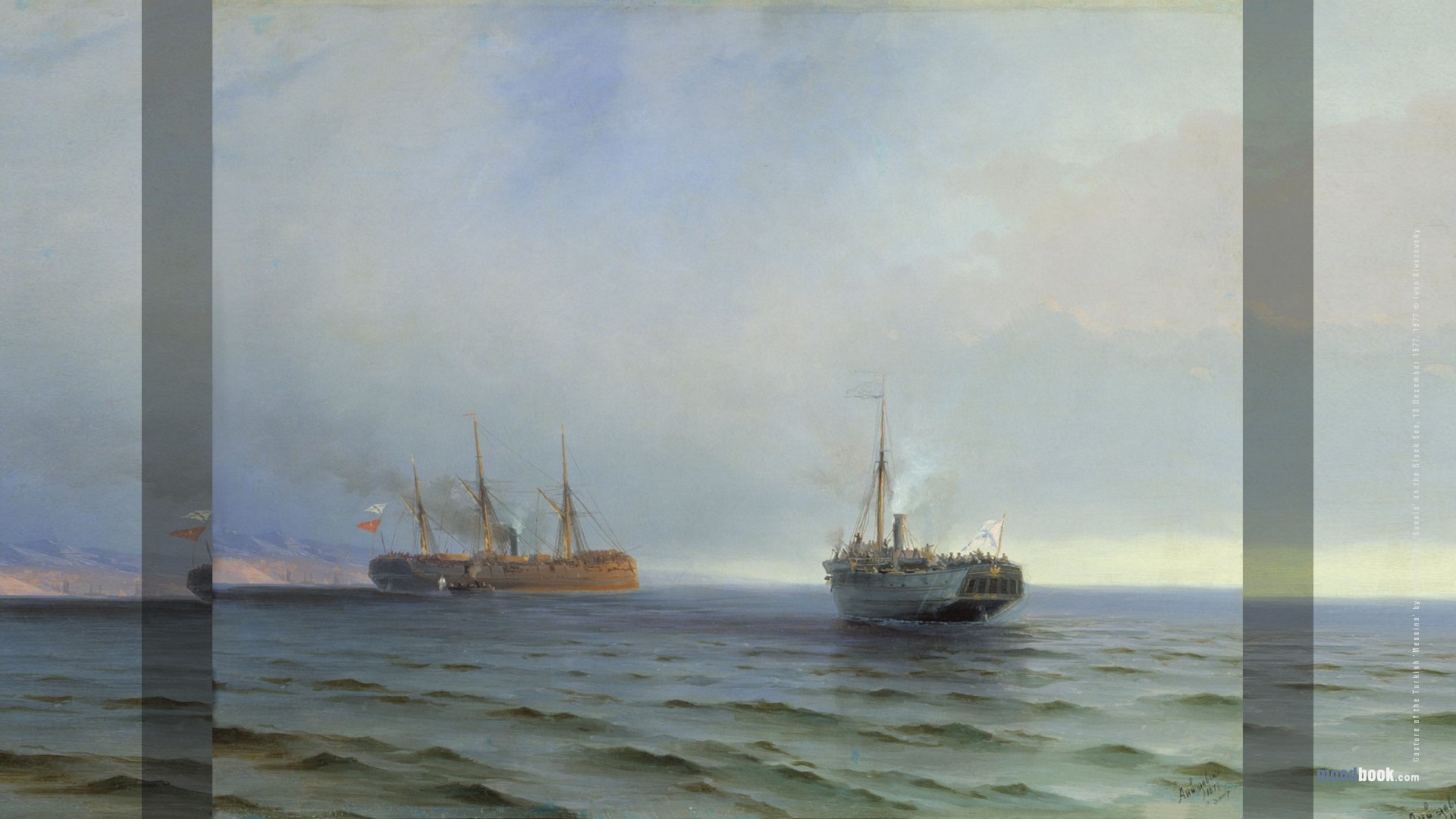 Capture of the Turkish 'Messina' by the Steamer 'Russia' on the Black Sea, 13 December 1877 (1877)
© Ivan Aivazovsky
Capture of the Turkish 'Messina' by the Steamer 'Russia' on the Black Sea, 13 December 1877 (1877)
© Ivan Aivazovsky
- Ivan Aivazovsky Art, $29 (145 pictures)
- Ivan Aivazovsky. Life and biography.
William Bouguereau
 William Bouguereau, a French academic painter. His
polished, refined technique and his sophisticated style represented
the height of achievement in the French academic art tradition. His
work was characterized by a highly finished, technically impeccable
realism and a sentimental interpretation of his subject matter.
Bouguereau paintings look professional, very skilful, and almost real.
He masterfully brought together the elements of exquisite drawing,
incredible coloration and perspective, and brilliant modeling and
compositions. There can be little doubt that Bouguereau was one of the
most talented painters of his time. Bouguereau received many honours
in the 1860s and '70s as his career progressed; he exhibited regularly
at the Salon for several decades and became for a time the most famous
French painter of his day. As a proponent of official orthodoxy in
painting, he played a major role in the exclusion of the works of the
Impressionists and other experimental painters from the Salon. He
exerted a wide influence, not only in France but in other countries,
particularly the United States.
William Bouguereau, a French academic painter. His
polished, refined technique and his sophisticated style represented
the height of achievement in the French academic art tradition. His
work was characterized by a highly finished, technically impeccable
realism and a sentimental interpretation of his subject matter.
Bouguereau paintings look professional, very skilful, and almost real.
He masterfully brought together the elements of exquisite drawing,
incredible coloration and perspective, and brilliant modeling and
compositions. There can be little doubt that Bouguereau was one of the
most talented painters of his time. Bouguereau received many honours
in the 1860s and '70s as his career progressed; he exhibited regularly
at the Salon for several decades and became for a time the most famous
French painter of his day. As a proponent of official orthodoxy in
painting, he played a major role in the exclusion of the works of the
Impressionists and other experimental painters from the Salon. He
exerted a wide influence, not only in France but in other countries,
particularly the United States.
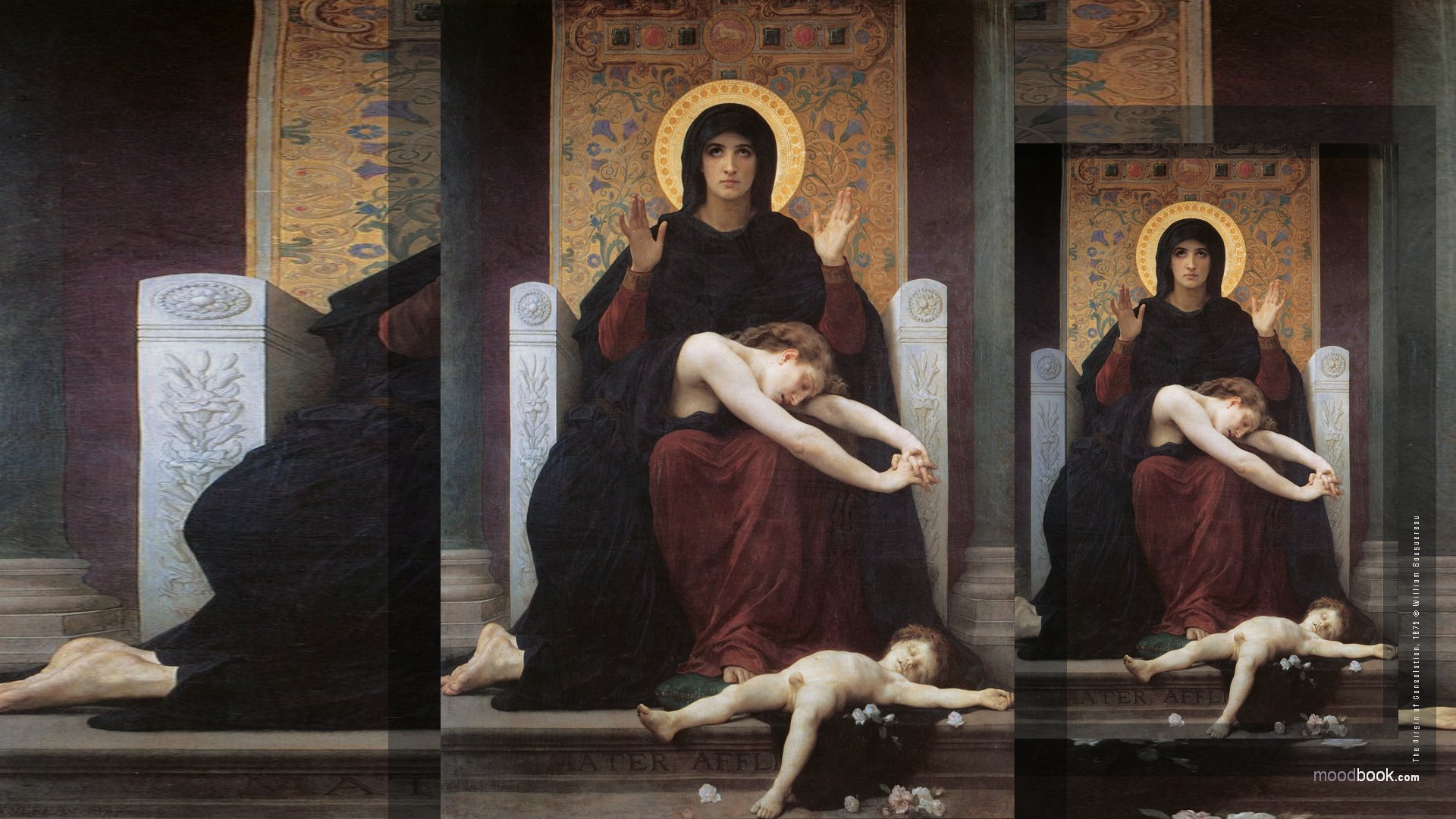 The Virgin of Consolation (1875)
© William Bouguereau
The Virgin of Consolation (1875)
© William Bouguereau
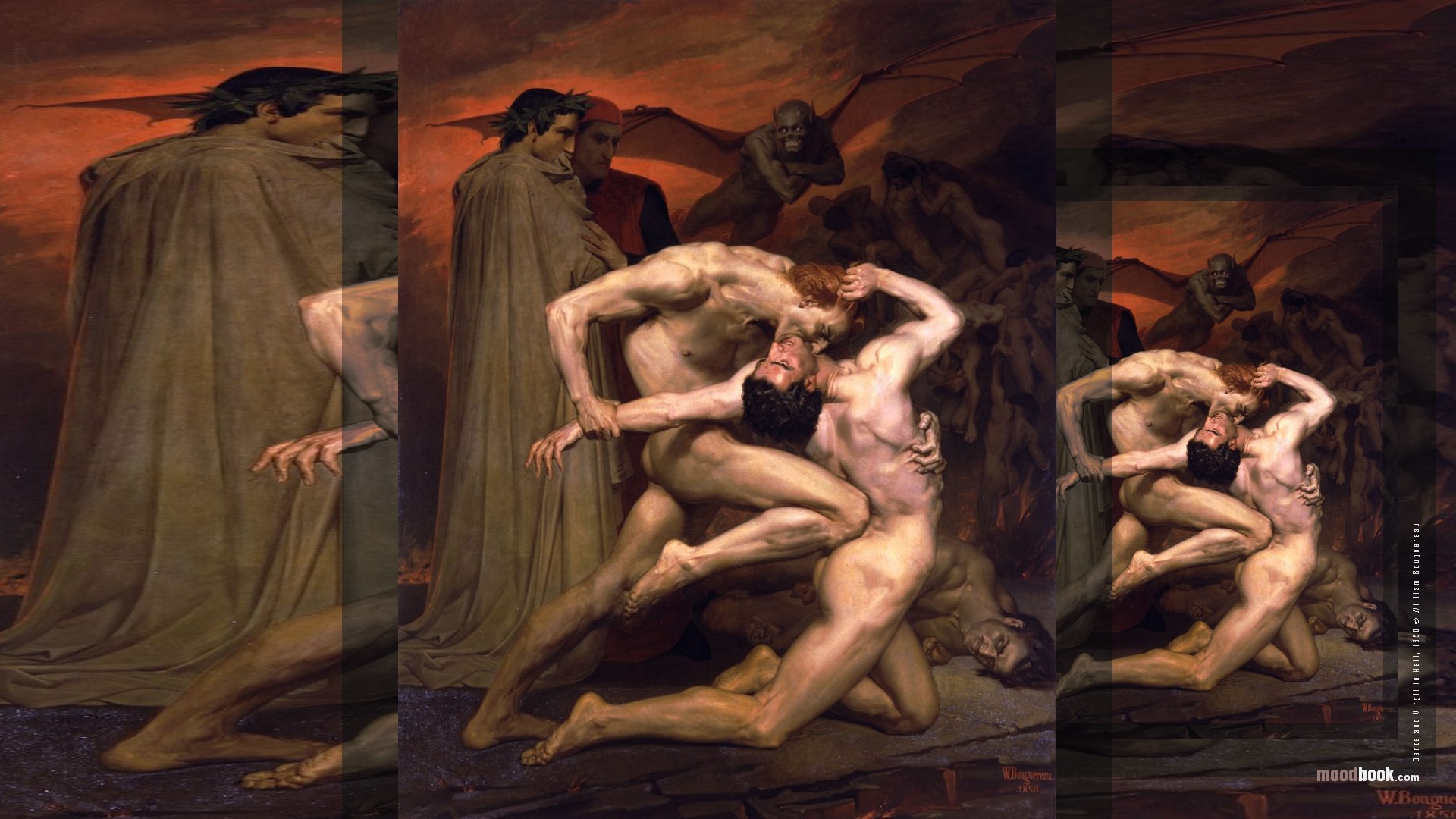 Dante and Virgil in Hell (1850)
© William Bouguereau
Dante and Virgil in Hell (1850)
© William Bouguereau
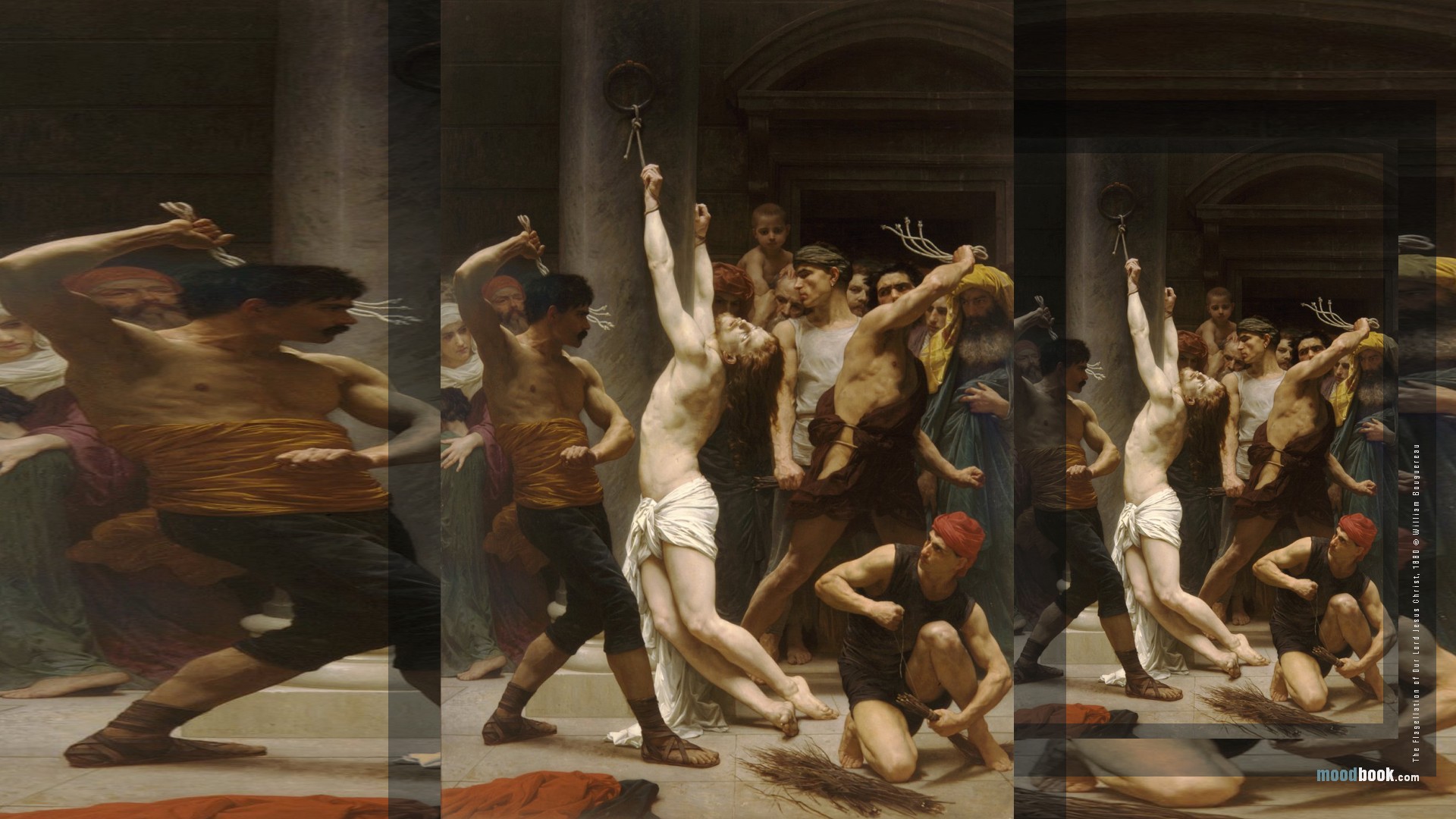 The Flagellation of Our Lord Jesus Christ (1880)
© William Bouguereau
The Flagellation of Our Lord Jesus Christ (1880)
© William Bouguereau
- William Bouguereau Art, $25 (175 pictures)
- William Bouguereau. Art and life. Biography.
More
Movements
Art Encyclopedia A world history of art in articles.
Renaissance
Baroque
Romanticism
Impressionism
Postimpressionism
Modernism
Postmodernism
Art
Art Wallpapers Art image collections for your desktop.
